
Finding Tallahatchie County Recent Arrests
The county posts no same-day feed, multi-day blotter, or public roster online. Start instead with the Mississippi Sheriffs’ Association directory. It lists Sheriff Jimmy Fly, P.O. Box 100, Charleston, MS 38921, and 662-647-3700. Ask which agency owns the booking record. Also ask where the person stands now: still held, bonded out, released, or moved to another facility. For narrowing the hunt, 24 Hour Arrests walks through same-day confirmation. The Arrest Log covers date-range requests. Both explain how to phrase an open-records ask so a clerk can answer it quickly.
Tallahatchie Arrest Docket Requests
Mississippi’s county-government guide describes sheriff jail dockets in general terms: prisoner identity, arrest or receipt date, alleged cause, custody authority, confinement, and release or transfer data. That is a model, not a live Tallahatchie posting. Ask the sheriff directly whether such records exist locally and how far back the dates run.
- Call 662-647-3700 and identify the date and record sought.
- Ask for written procedures and an electronic copy.
- Request booking, jail-docket, bond, release, and releasable photo records if maintained.
- Ask for a fee estimate and nonexempt portions.
Two Districts Split Arrest Records
Tallahatchie County has two seats and two districts. The state directory lists Charleston contacts for the first district and Sumner for the second. Knowing the district can point you to the right clerk for a warrant, bond order, or final outcome, and the Census table documents the local routing.
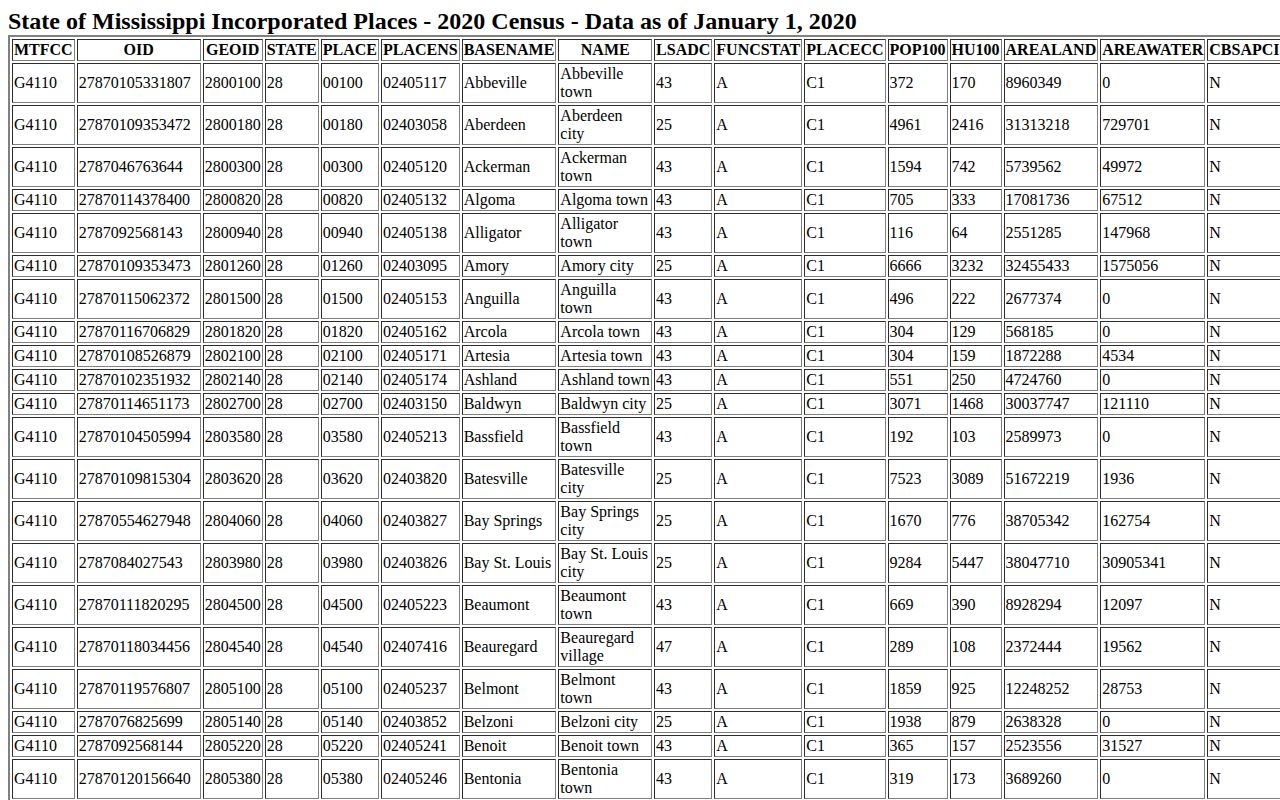
Sumner is included because its second-seat role matters even though Webb is larger.
Recent Arrests by City
City incident reports and county bookings may be held by different offices.
The Tutwiler Police page supplies a report-copy route, not an arrest feed.
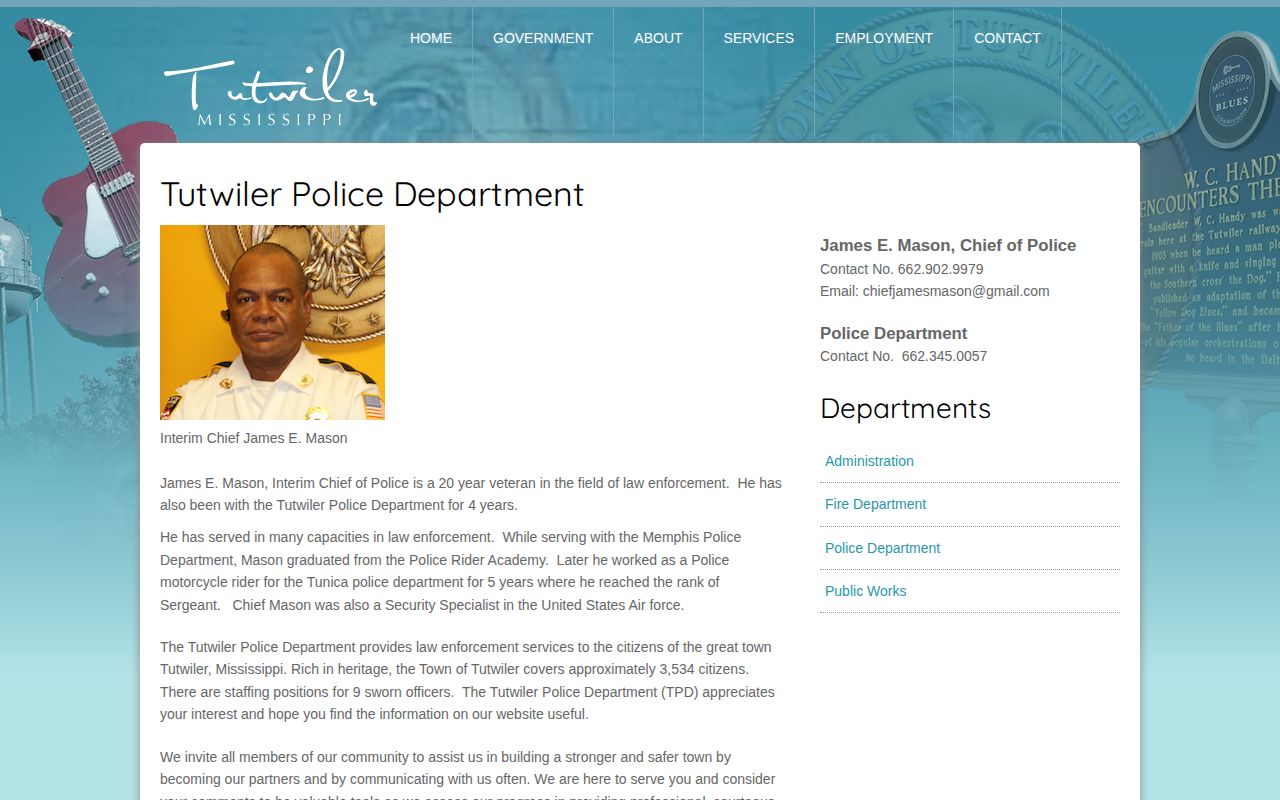
The capture supports direct contact while showing no city blotter.
Tallahatchie Mugshots Need Source Checks
The sheriff publishes no stated photo policy, so ask whether a booking image exists and can be released. No gallery is hosted here. One unofficial option, the Mugshots.com county section, may surface after official channels, but it has no tie to the sheriff and its listings can be stale.
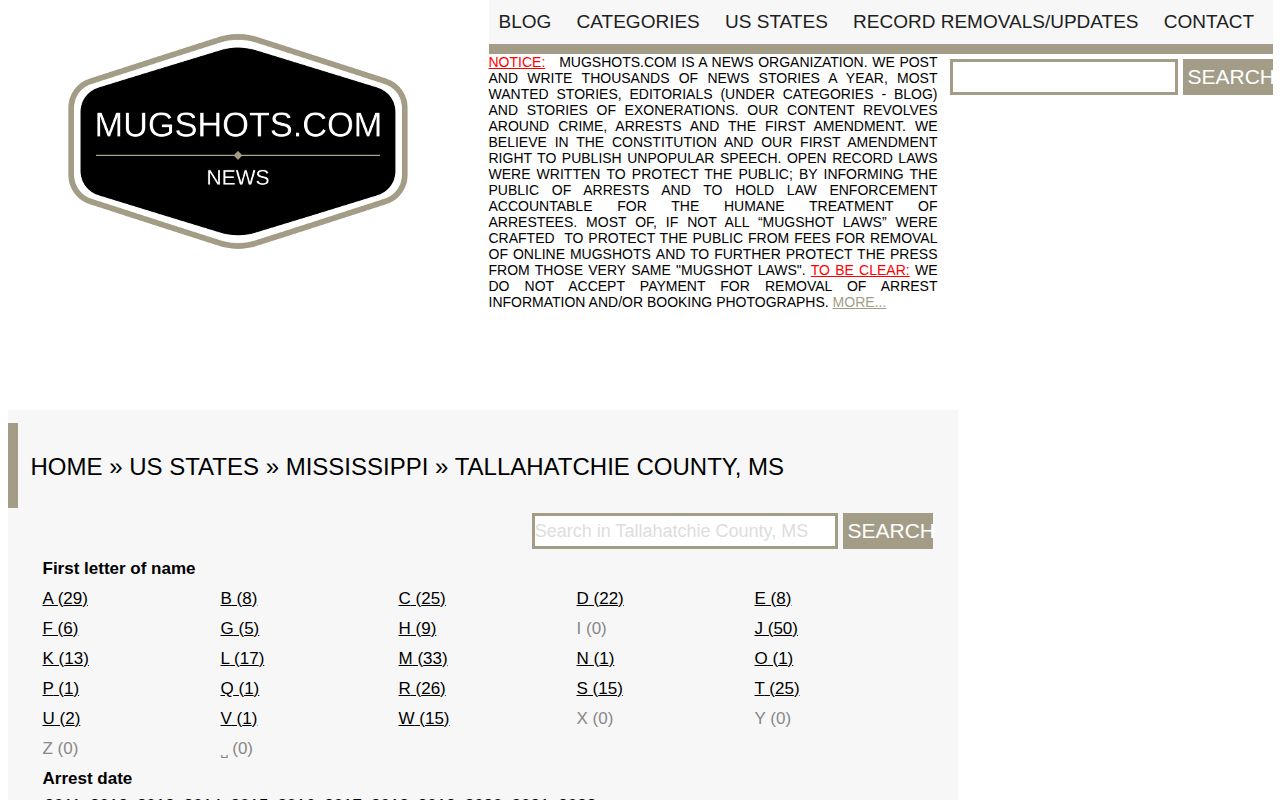
Verify every copied claim with the agency and court.
Mississippi Arrest Record Access Law
Mississippi’s public records law gives you the tools. The Ethics Commission explains incident reports, investigative exemptions, redaction, fees, and response procedures. Request the incident report plus any releasable portions. The sheriff publishes no fee schedule, so ask for an estimate first.
An incident report holds the basic facts about an alleged offense. A fuller investigative file stays protected. Ask separately for each item you want. Name the booking entry, the jail docket, the release or transfer record, and any releasable photograph. Naming the records individually helps the custodian find what exists. It also avoids asking staff to build a new summary.
Older Tallahatchie records follow a different path. The Mississippi Department of Archives and History catalogs selected county court and sheriff holdings. These come from the nineteenth and early twentieth centuries. Its inventory notes that a multi-district county may split records between districts. Historic Charleston and Sumner newspapers help with research, though they cannot confirm current custody.
The sheriff lists no official mobile app. Treat any generic jail app, social account, or county-name site with caution. That holds unless it shows government ownership, a named publisher, and clear provenance. For confirmation, return to the sheriff, the police agency, or the court.
Correcting Tallahatchie Arrest Information
Fixing wrong arrest information starts with the source agency and the final court disposition. Section 99-19-71 governs certain expunction cases. Eligibility still turns on the facts. A court order will not instantly scrub an independent page. Mississippi has no dedicated anti-pay-to-remove law. Use the free correction routes. Never pay an intermediary that claims payment is required.
Tallahatchie Arrest Warrants and Wanted Lists
Tallahatchie County runs no public warrant portal. There is no most-wanted list either. Confirm active warrants with the sheriff, the correct district clerk, or a lawyer. The statewide DPS list stands apart from any county roster. Never approach a wanted person. Report tips to law enforcement instead.
Matching Arrests to Custody Systems
The CoreCivic TCCF page describes a private contract facility, not a county roster.
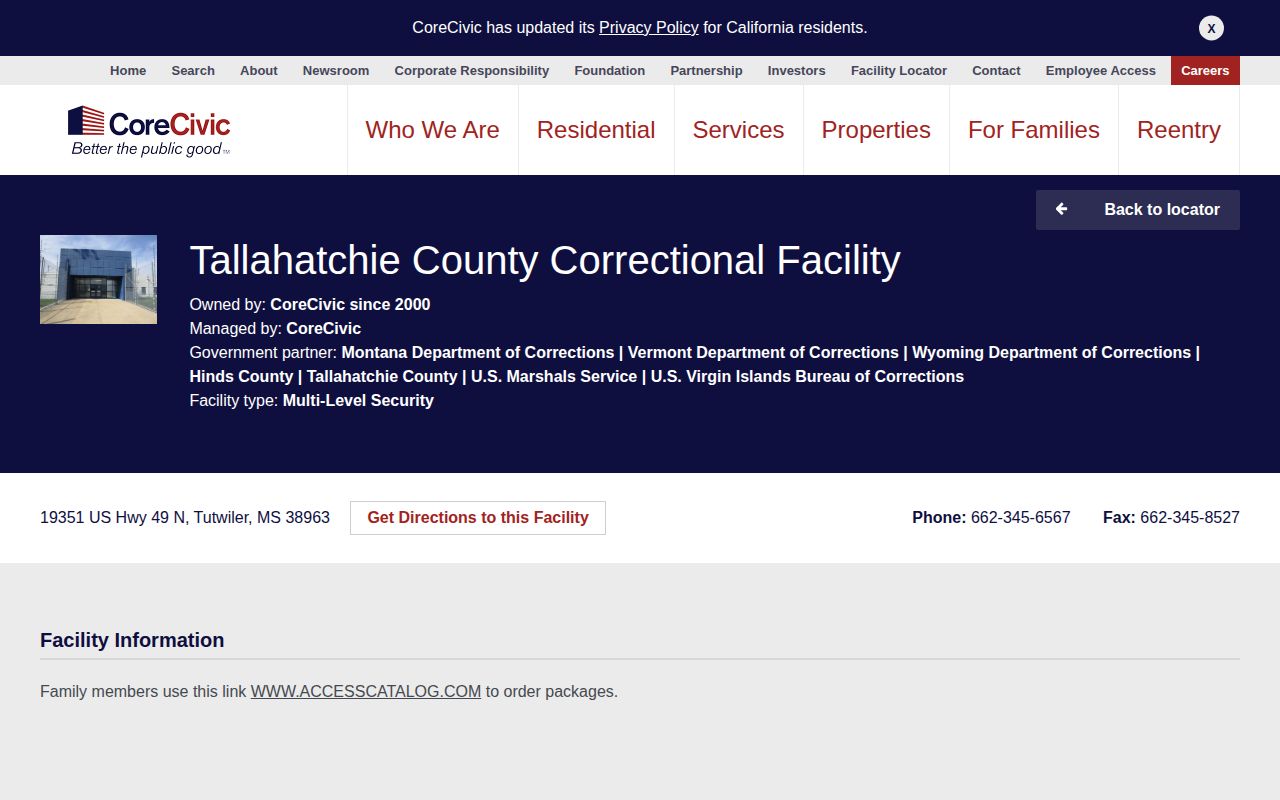
A Tutwiler location alone does not prove a local arrest. MDOC handles state custody, while BOP and ICE run separate federal systems.
Track Tallahatchie Arrest Custody Changes
VINELink Check explains Mississippi SAVIN alerts. Tallahatchie participation is unconfirmed. A blank result does not rule out an arrest. VINE is not a charge, photo, bond, or disposition database.
The official Mississippi SAVIN service can notify a registrant. It acts when a participating agency updates an electronic custody file. Events may include release, transfer, return to custody, escape, or an absconded-supervision status. Those alerts track movement after booking rather than the Tallahatchie County arrest record itself. They will not supply a full incident narrative, court result, bond order, or reliable booking photograph. Call the sheriff or the MS SAVIN office if the search comes back empty. Also call if the facility shown seems wrong.
What Tallahatchie Arrest Records Contain
A booking record marks a custody event. Typical fields include the person’s name, a booking or case number, intake date and time, arresting agency, charge as entered, bond or hold, facility, and release or transfer details. Ask for those items by name. They are request fields, not a promise that the county keeps or releases all of them in one document. Mugshots work the same way. No Tallahatchie policy states that the sheriff posts a photo online or releases one in every case.
| Record field | What it helps establish | Important limit |
|---|---|---|
| Booking date and time | When jail intake occurred | May differ from arrest time |
| Arresting agency | Which office began the case | May not hold the later jail record |
| Charge as booked | The charge entered at intake | Not a conviction or final charge |
| Bond or hold | Initial release conditions | A court can later change them |
| Release or transfer | Why a person left that custody list | Does not mean acquittal |
A booking entry is only the first page of the story. The arraignment is where a Tallahatchie defendant first stands before a judge, with charges and release conditions on the table. From there, the court docket tracks the case to its disposition. That final recorded outcome may take the form of a dismissal, a plea, a trial result, or a sentence, and it can look very different from the arrest record filed on day one.
Request Tallahatchie County Arrest Records
Start with the Public Records Act material from the Mississippi Ethics Commission. It reads like a plain-language handbook. An incident report is one thing. A broader investigative report is another. Basic incident details can still be public. But active investigative material, protected sources, victim details, techniques, and fair-trial information must be withheld.
A good records request names the person, the approximate date, the city, and the agency that likely made the arrest. Ask for an electronic copy of the jail docket or booking entry, plus the booking number, intake time, charge, bond or hold, and any release or transfer entry. Include any legally releasable booking photograph. Segregable is the key word. It means the agency removes protected details and releases the rest. If the sheriff does not control an item, the office should identify the police agency, contracted facility, or clerk that does.
Leave out victim information, juvenile records, medical data, and any employee's opinion about guilt. Fees are allowed at actual cost for search, review, duplication, and mailing. The sheriff publishes no fee table or turnaround policy. Ask for written procedures first. A written cost estimate avoids surprises later. State material sets a seven-working-day limit for production or denial, with a written explanation if that deadline slips. Save the request, delivery proof, response, exemption citation, and fee estimate in case further review becomes necessary.
Tallahatchie Jail Roster Limits
A current roster shows who is held now. It is not a recent-arrests archive. Released people drop off without a trace. Transfers can move a record into another system, and a fresh intake may not appear until staff enter it. The Tallahatchie County Sheriff publishes no authenticated public roster link. So an unofficial search result is not the sheriff's list. Call the published sheriff number and ask which office keeps the current jail docket.
Directory listings for local facilities also conflict. Some cite buildings in Charleston or Sumner. The sheriff does not confirm online which counters are open or operational. The reliable mailing route is P.O. Box 100 in Charleston, and a call before any trip saves the drive. In Tutwiler, ask the town police who received the person, in Charleston ask about first-district records, and in Sumner start with the second-district sheriff line and clerk contacts.
Roster result: A blank result can mean released, transferred, delayed, held elsewhere, protected, or searched under different identifying details. It does not prove the arrest never happened.
Tallahatchie Mugshot Law and Access
Mississippi's Public Records Act covers documentary material that a public body prepares, possesses, or retains. Photographs fall inside that definition. Access is still not automatic. An exemption can block release. So can a redaction need, a retention rule, or another agency's custody. Tallahatchie County publishes no online photo policy, posting schedule, retention schedule, or public gallery. So keep the request narrow. Name a specific booking photograph, a person, and a date.
A county booking photograph serves one system. An MDOC offender image serves another. The county image, where it exists, reflects a local intake. The MDOC search covers state inmates and parolees after a case reaches state custody. Its facility result is not proof of a new arrest. It says nothing about Tallahatchie County. The federal BOP locator covers federal prisoners and offers no county-style photo gallery. ICE runs its own locator. Match each record to the government body responsible for custody.
A news photograph proves nothing about county practice. The Sun-Sentinel or another outlet may publish selected arrest reporting. Editorial selection is not a roster. A publication date is not necessarily the booking date.
Resolve Tallahatchie Arrest Warrants
A warrant authorizes law enforcement to take action. Often that action is an arrest. A bench warrant usually grows out of a court matter. Think a missed appearance. Tallahatchie County posts no public warrant portal. No recurring most-wanted list appears either. A directory page or scraped list cannot establish that a warrant is active. Verification belongs with the sheriff, the proper district clerk, the issuing court, or an attorney.
The two-district structure matters here. The state directory lists the first-district circuit clerk in Charleston at 662-647-8758 and the second-district circuit clerk in Sumner at 662-375-8515. Justice Court numbers differ by district. Dial 662-647-3477 for the first and 662-375-9452 for the second. Ask which court issued the process and how it can be addressed, and never go to a guessed facility or approach a person on a wanted notice.
The Mississippi DPS Most Wanted page has statewide scope and routes tips to Crime Stoppers. It is not a Tallahatchie County booking feed. DPS notes that wants and warrants in law-enforcement systems require verification by the entering agency, which is why third-party warrant claims deserve no final word.
After a Tallahatchie County Arrest
An arrest in Tallahatchie County sets off a chain of steps. Booking comes first. Then an initial court appearance, later hearings, and eventually a final result, sometimes with custody shifting to state or federal hands. The charge listed at booking is only a starting point. It can be amended, reduced, dismissed, or resolved through a plea or trial, and the court file is where the real outcome lives.
Finding that file takes two routes in this county. First-district circuit records run through Charleston. Second-district records run through Sumner. The official Mississippi Electronic Courts entry and Court Explorer cover some cases, though a new municipal or justice-court matter may not show up there. The online search sometimes comes up short. Then call the right clerk and ask for the docket, bond orders, filings, and final result rather than settling for the intake charge line.
- Booking
- The jail intake process that records identity, charges, property, and custody status.
- Bond
- A court-set condition that may allow release while a case remains pending.
- Disposition
- The recorded outcome of a case, such as dismissal, plea, acquittal, or sentence.
- Expunction
- A court process that may remove qualifying records from public access under specific law.
Remove or Correct Arrest Information
Fixing a bad record starts with the office that made it. Point out the wrong field. Hand over the primary document that shows the correct information. Ask for the written correction procedure. Next, check the court docket for the final result. If an unofficial site republished the old or incorrect entry, use its documented free correction or deletion process once the government record is fixed. Payment to a middleman is never a safe assumption.
Mississippi Code section 99-19-71 covers some expunctions. These include certain misdemeanors and felonies, plus arrests that ended in dismissal, dropped charges, no resolution, or a not-guilty verdict. Eligibility depends on the case. The proper Tallahatchie clerk can confirm the court and filing steps. Ask about the fee, notice requirements, and local forms too. The judiciary's expungement request material can guide the way. A qualified lawyer or legal-aid program can help too. No one can promise an order, though.
One more step remains after expunction. The order does not automatically erase a separate publisher's cached copy. Send a verifiable copy to the original record custodian. Ask which fields will be sealed, removed, or kept. Then contact the outside publisher through its stated no-fee channel.
Official Sources Before Arrest Aggregators
Go to the source first. Depending on the custody stage, that means the sheriff, the arresting police agency, the court, MDOC, BOP, or ICE. The Sun-Sentinel crime section adds selected local reporting, but the paper runs weekly and does not claim to print every booking. A missing article proves nothing.
Aggregator sites deserve caution. Mugshots.com carries a Tallahatchie section. For Busted Newspaper, RecentlyBooked, Arrests.org, and Mugshots.zone, do not guess a county address from another county's pattern. Tallahatchie-branded jail-view and arrest pages are not sheriff publications either. Such sites can lag, skip releases and final results, merge two people into one name, or pull photos from unclear places.
When an unofficial result shows up, save its URL. Then check every material point against the originating office and the court. That habit keeps a Tallahatchie County arrest record honest.